

 Author Taimoor Badar
Technology is evolving faster than ever, and businesses are under constant pressure to deliver better digital experiences, faster services, and secure platforms while keeping operational costs under control. In 2026, companies are no longer competing only through products or pricing—they are competing through speed, scalability, reliability, and customer experience.
This is where DevOps has become more than just a technical practice. It has evolved into a business necessity.
Organizations today rely heavily on software applications, cloud infrastructure, automation systems, mobile apps, SaaS platforms, and digital operations. Traditional software development methods often create delays between development and operations teams, leading to slower deployments, communication gaps, security issues, and operational inefficiencies.
DevOps solves these problems by combining development and IT operations into a collaborative and automated workflow. It enables businesses to release software faster, improve stability, reduce downtime, and respond quickly to market demands.
Whether you run a startup, an e-commerce store, a SaaS company, or a large enterprise, DevOps can help streamline your entire digital ecosystem.
In this article, we’ll explore why DevOps has become essential for businesses in 2026, the benefits it offers, real-world applications, common challenges, and how organizations can successfully adopt DevOps practices.
What Is DevOps?
DevOps is a combination of “Development” and “Operations.” It is a modern approach to software delivery that focuses on collaboration, automation, continuous integration, continuous deployment (CI/CD), and infrastructure management.
Instead of treating development and operations as separate departments, DevOps creates a unified workflow where teams work together throughout the software lifecycle.
The main goal of DevOps is simple:
Build software faster
Deploy updates more frequently
Improve software quality
Reduce operational risks
Enhance scalability and performance
DevOps relies heavily on automation tools, cloud technologies, monitoring systems, and agile development practices.
Why DevOps Matters More in 2026
The digital landscape in 2026 is highly competitive. Businesses can no longer afford slow development cycles or outdated infrastructure management practices.
Several major trends are pushing companies toward DevOps adoption.
1. Increasing Demand for Faster Software Delivery
Customers now expect rapid updates, bug fixes, and new features. Businesses that take months to release updates often lose users to faster competitors.
DevOps allows organizations to:
Automate deployments
Release updates faster
Reduce manual intervention
Shorten development cycles
This helps companies stay competitive in rapidly changing markets.
2. Rise of Cloud-Native Applications
Modern applications are increasingly built on cloud infrastructure. Cloud-native systems require flexible deployment pipelines, scalability, and continuous monitoring.
DevOps works seamlessly with cloud platforms and enables businesses to manage applications efficiently across distributed environments.
3. Growing Importance of Cybersecurity
Cyber threats are becoming more sophisticated every year. Security can no longer be treated as an afterthought.
In 2026, many organizations are adopting DevSecOps, which integrates security directly into the DevOps pipeline.
This approach helps businesses:
Detect vulnerabilities early
Automate security testing
Improve compliance
Reduce security risks
4. Customer Experience Has Become a Competitive Advantage
Users expect fast-loading applications, reliable systems, and uninterrupted services.
A slow website or unstable application can negatively impact customer trust and revenue.
DevOps helps improve user experience by ensuring:
Faster system performance
Minimal downtime
Quick issue resolution
Reliable software updates
Traditional Development vs DevOps
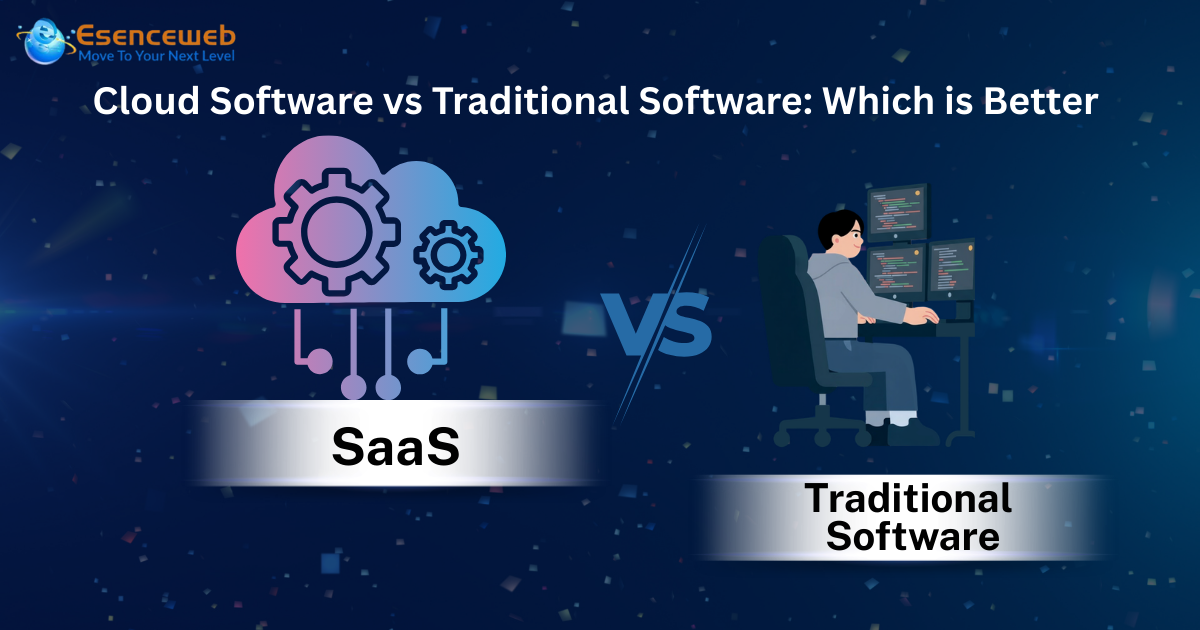
The difference between traditional workflows and DevOps is significant.
| Traditional Development | DevOps Approach |
|---|---|
| Separate teams | Collaborative teams |
| Manual deployments | Automated deployments |
| Slow releases | Continuous delivery |
| High downtime risk | Improved stability |
| Delayed feedback | Real-time monitoring |
| Reactive maintenance | Proactive optimization |
This shift has made DevOps one of the most valuable operational strategies for modern businesses.
Key Benefits of DevOps for Businesses
1. Faster Time to Market
One of the biggest advantages of DevOps is speed.
Businesses can:
Launch products faster
Release features continuously
Respond quickly to customer feedback
Instead of waiting months for major software releases, updates can be deployed weekly—or even daily.
This agility helps companies remain innovative and competitive.
2. Improved Collaboration Between Teams
Traditional development environments often create communication gaps between developers and operations teams.
DevOps promotes:
Shared responsibilities
Transparent workflows
Better communication
Faster problem-solving
When teams collaborate effectively, projects move more efficiently.
3. Reduced Downtime and System Failures
Unexpected downtime can be extremely costly for businesses.
DevOps introduces monitoring systems, automated testing, and rollback mechanisms that help minimize operational disruptions.
Benefits include:
Better infrastructure reliability
Faster recovery times
Reduced deployment risks
This ensures better service availability for customers.
4. Higher Software Quality
Continuous testing and automated quality assurance help businesses identify issues earlier in the development process.
As a result:
Fewer bugs reach production
Applications become more stable
User satisfaction improves
Quality assurance becomes part of the workflow rather than a separate stage.
5. Scalability and Flexibility
Businesses today must scale quickly to meet changing demands.
DevOps supports scalable infrastructure through:
Cloud automation
Containerization
Infrastructure as Code (IaC)
This allows companies to expand operations without major disruptions.
6. Cost Optimization
Manual processes consume time, resources, and operational budgets.
DevOps automation helps businesses reduce:
Infrastructure management costs
Deployment overhead
Downtime-related losses
Maintenance expenses
Efficient operations lead to long-term cost savings.
Core Components of DevOps
Continuous Integration (CI)
Continuous Integration allows developers to merge code changes frequently into a shared repository.
Benefits include:
Early bug detection
Faster development cycles
Improved collaboration
Continuous Deployment (CD)
Continuous Deployment automates software releases after testing is completed.
This enables:
Faster releases
Reduced manual effort
Reliable deployment pipelines
Infrastructure as Code (IaC)
Infrastructure as Code allows infrastructure configurations to be managed through code rather than manual setup.
This improves:
Consistency
Scalability
Deployment speed
Monitoring and Logging
Monitoring tools provide real-time visibility into system performance and operational health.
Businesses can:
Detect issues quickly
Improve performance
Prevent outages
Industries That Benefit Most from DevOps
DevOps is no longer limited to technology companies.
Almost every industry can benefit from DevOps practices.
E-Commerce
Online stores require:
High uptime
Fast performance
Frequent updates
DevOps helps e-commerce businesses maintain reliable digital experiences during traffic spikes and seasonal sales.
SaaS Companies
SaaS businesses rely on continuous feature updates and stable cloud infrastructure.
DevOps enables:
Faster releases
Improved scalability
Better customer satisfaction
Healthcare
Healthcare systems require secure and reliable digital infrastructure.
DevOps helps healthcare organizations improve:
Data security
Compliance
System stability
Financial Services
Banks and fintech companies need highly secure and scalable applications.
DevOps supports:
Faster deployment cycles
Better risk management
Improved operational efficiency
Common DevOps Challenges
Although DevOps offers major advantages, implementation can be challenging.
1. Cultural Resistance
Some organizations struggle with changing traditional workflows.
Successful DevOps adoption requires:
Leadership support
Team collaboration
Organizational alignment
2. Skill Gaps
DevOps requires expertise in:
Cloud computing
Automation
CI/CD pipelines
Monitoring tools
Businesses may need training or experienced professionals.
3. Security Integration
Security must be integrated into the DevOps process rather than treated separately.
Modern businesses are increasingly adopting DevSecOps to address this challenge.
DevOps Trends in 2026
AI-Powered DevOps
Artificial Intelligence is transforming DevOps workflows.
AI tools now help businesses:
Predict system failures
Automate monitoring
Optimize infrastructure performance
This reduces operational complexity and improves efficiency.
GitOps Adoption
GitOps is becoming increasingly popular for managing infrastructure and deployments through Git repositories.
Benefits include:
Improved version control
Better automation
Faster rollback capabilities
Serverless Infrastructure
Many businesses are adopting serverless computing to reduce infrastructure management overhead.
DevOps practices help organizations manage serverless environments more efficiently.
How Businesses Can Start Implementing DevOps
Step 1: Assess Current Infrastructure
Businesses should evaluate:
Existing workflows
Deployment processes
Infrastructure limitations
This helps identify improvement areas.
Step 2: Automate Repetitive Tasks
Start by automating:
Testing
Deployments
Monitoring
Infrastructure provisioning
Automation improves efficiency and reduces errors.
Step 3: Adopt CI/CD Pipelines
CI/CD pipelines help streamline software delivery and improve deployment consistency.
Step 4: Invest in Monitoring Tools
Real-time monitoring is essential for maintaining system reliability and performance.
Step 5: Build a DevOps Culture
Technology alone is not enough.
Organizations must encourage:
Collaboration
Shared responsibility
Continuous improvement
Why Small Businesses Also Need DevOps
Many people assume DevOps is only for enterprises. That is no longer true.
Small businesses benefit from DevOps because it helps them:
Launch products faster
Compete with larger companies
Improve operational efficiency
Reduce technical debt
Affordable cloud services and automation tools have made DevOps accessible for businesses of all sizes.
The Future of DevOps
DevOps will continue evolving alongside emerging technologies such as:
Artificial Intelligence
Edge Computing
Cloud Automation
Containerization
Cybersecurity Automation
Businesses that fail to modernize their operations may struggle to remain competitive in the coming years.
Organizations that adopt DevOps early will gain significant advantages in agility, innovation, and scalability.
Final Thoughts
In 2026, DevOps is no longer optional for businesses that rely on digital operations.
From startups to enterprises, organizations need faster deployment cycles, better system reliability, improved collaboration, and scalable infrastructure to succeed in a highly competitive market.
DevOps provides the foundation for modern software delivery and operational efficiency. It enables businesses to adapt quickly, improve customer experiences, reduce downtime, and scale with confidence.
Companies that embrace DevOps are better positioned to innovate, respond to market changes, and build sustainable digital growth.
As technology continues to evolve, DevOps will remain a critical strategy for businesses looking to stay ahead in the digital era.
If your organization wants to improve software delivery, streamline operations, and build scalable digital solutions, now is the time to invest in DevOps.














.png)
_(1).jpg)
_(2).jpg)
.jpg)

_(1).jpg)

.jpg)
.jpg)
.jpg)
.jpg)
.jpg)


.jpg)
_(1).jpg)
.jpg)
.jpg)


_(1).png)

.png)

1.png)






























4.png)









0 Replies to “Why Every Business Needs DevOps In 2026”
Leave a Reply
Your email address will not be published.